
The Importance of Bouncy Castle Safety
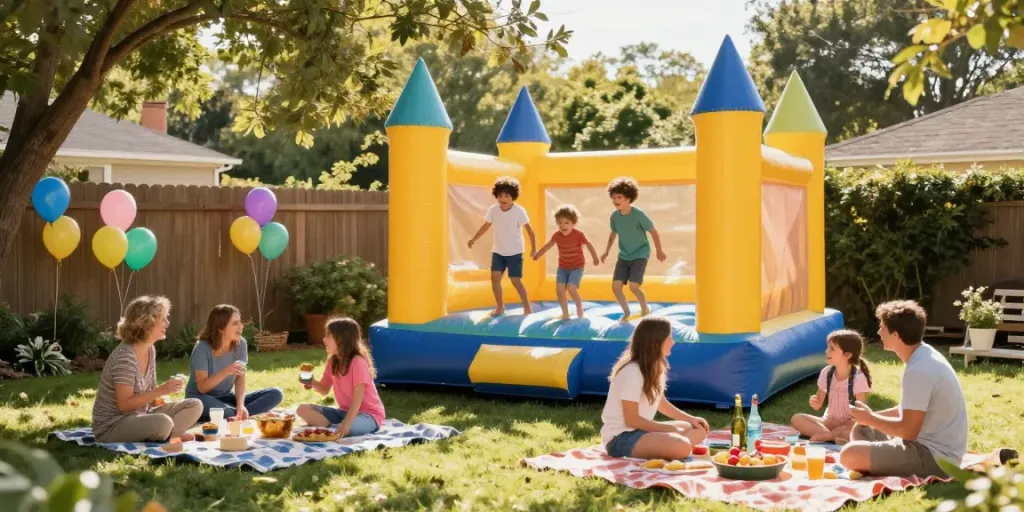
For many families, a bouncy castle is the centerpiece of children's outdoor fun and festivities. These inflatable structures provide hours of entertainment at parties, festivals, and playdates. However, the joy of jumping should never overshadow safety. Understanding the importance of bouncy castle safety is crucial to prevent accidents and ensure a fun experience for all. By following best practices and being aware of potential hazards, parents and event organizers can create a safer play environment.
When exploring options, bouncy castle safety should be the top priority. With increasing popularity, it's essential to address common concerns related to injuries and risks associated with inflatable fun.
Why Safety Matters for Bouncy Castles?
Safety in bouncy castles is not just a luxury; it's a necessity. These inflatable structures can lead to injury if not used correctly. A significant number of accidents occur when children jump carelessly or when adult supervision is lacking. Adhering to safety guidelines helps mitigate these risks, allowing children to enjoy themselves while minimizing potential dangers.
Common Injuries and Risks to Avoid
While bouncy castles are generally safe, they aren't without risks. Common injuries include:
- Collisions: Multiple children jumping together can lead to falls and collisions.
- Falls: Jumping from heights or improperly exiting may result in falls causing injury.
- Overcrowding: Too many children can lead to injuries from overcrowding and loss of control.
To reduce these risks, it's vital to ensure that children are playing under proper supervision and that the number of participants is limited according to the manufacturer's guidelines.
Choosing Quality Materials for Safety
Not all bouncy castles are created equal. Selecting a high-quality inflatable made from durable, puncture-resistant materials can significantly enhance safety. Ensure that any rental or purchase is compliant with safety standards and regulations in your area, as this can make a considerable difference in preventing injuries.
Best Practices for Setting Up a Bouncy Castle
Setting up a bouncy castle correctly is essential for ensuring its stability and safety during use. A well-prepared site can prevent many of the common injuries associated with these inflatables. Here are some tips for proper setup.
Essential Site Preparation Tips
Choosing the right location for a bouncy castle is crucial. Look for a flat, level area free of debris, sharp objects, or obstacles. Ensure there's ample space for safe entry and exit. Additionally, consider placing the inflatable away from potential hazards, such as trees or power lines, to maintain a safe environment.
Weather Considerations for Safe Use
Weather plays a critical role in the safe use of bouncy castles. High winds can destabilize inflatables, and wet conditions can lead to slips and falls. Always monitor weather conditions before and during use, and have a contingency plan in place if severe weather arises.
Guidelines for Proper Anchoring and Inflation
Proper anchoring of a bouncy castle is key to its stability. Use adequate ground stakes and sandbags to secure the inflatable, especially in windy conditions. Make sure to inflate the castle fully before allowing children to enter, as this ensures it maintains its shape and structure during use.
Supervising Children in Bouncy Castles
Supervision is vital in ensuring the safety of children playing in bouncy castles. Adults must remain vigilant to prevent accidents and ensure children follow safety rules. Understanding how to manage play behavior can help create a safe and enjoyable environment.
Understanding Child Behavior and Safety
Children often exhibit unpredictable behavior during play. Recognizing the signs of excessive excitement or rough play can help supervisors intervene before an accident occurs. Encourage children to take turns and use the bouncy castle respectfully to maintain a safe atmosphere.
Creating Rules for Safe Play
Establishing clear rules before play begins can help guide children on how to use the bouncy castle safely. Rules might include:
- One person at a time on each inflatable slide.
- No flipping or rough housing.
- Wait for others to exit before re-entering.
Post these rules visibly near the bouncy castle to remind everyone of the guidelines.
The Role of Adult Supervision
Parents or responsible adults should always supervise children while they're in a bouncy castle. Adult supervision ensures compliance with safety rules and allows for immediate intervention in case of any unsafe behavior or accidents.
Maintenance and Inspection of Bouncy Castles
Regular maintenance and inspection are key to ensuring the safety and longevity of bouncy castles. An inflatable in good condition minimizes the risk of accidents and enhances the overall experience for users.
Key Maintenance Tips for Longevity
To extend the life of a bouncy castle, adhere to the following maintenance practices:
- Clean the inflatable regularly to prevent mold and mildew.
- Store the castle properly when not in use, avoiding damp areas.
- Inspect seams and surfaces for wear and tear after each use.
Inspecting for Damage: What to Look For
Before each use, inspect the bouncy castle for any visible damage, such as tears, loose seams, or broken components. If any damage is noted, refrain from using the inflatable until repairs are made to ensure safety.
When to Retire Older Equipment
As bouncy castles age, their materials may weaken, increasing the risk of failure. If a bouncy castle shows significant wear, consider retiring it in favor of a new model. Regularly assess the condition of older equipment and prioritize safety and functionality.
Future Trends in Bouncy Castle Experiences
The bouncy castle industry continues to evolve, with innovations aimed at enhancing fun while prioritizing safety. As we look towards 2026, several trends are emerging that promise to redefine the inflatable experience.
Innovative Designs and Safety Features by 2026
Future bouncy castles are expected to feature innovative designs that incorporate safety enhancements, such as stronger materials, better anchoring systems, and even integrated safety nets. These advancements aim to decrease accident rates while maintaining the fun factor.
Eco-Friendly Materials and Sustainability Practices
As environmental concerns grow, manufacturers are increasingly focusing on eco-friendly materials for inflatable structures. This shift not only supports sustainability but also ensures that bouncy castles are safe for children and the environment.
Emerging Technologies Enhancing Safety
Emerging technologies, such as integrated sensors and smart inflatables, are set to revolutionize safety in bouncy castles. These features can monitor usage patterns and detect potential hazards immediately, enhancing overall safety for users.
What Are the Risks of Ignoring Bouncy Castle Safety?
Ignoring safety protocols can lead to severe consequences, including serious injuries and accidents. To foster a fun environment, all participants must follow the established safety guidelines consistently.
How Often Should Bouncy Castles Be Inspected?
Bouncy castles should be inspected before each use, along with routine checks during the rental period or seasonal use. Regular assessments ensure any damage is addressed promptly and that the inflatable structure remains safe.
Can Adults Use Bouncy Castles Safely?
While bouncy castles are primarily designed for children, adults can safely use them under specific conditions. It's essential to monitor weight limits, follow the rules of the inflatable, and ensure that the structure is appropriately designed to accommodate adult users.
What is the Best Age Range for Bouncy Castle Use?
Generally, bouncy castles are suitable for children aged 2 to 12 years, though specific age recommendations can vary. Always check the manufacturer's guidelines regarding age and weight restrictions to ensure safety for all users.
What Should You Look for When Renting a Bouncy Castle?
When renting a bouncy castle, consider the following factors:
- Check for safety certifications and compliance with local regulations.
- Look for a company with a reputation for maintaining high-quality equipment.
- Ensure the castle has adequate space for safe play and supervision.
With due diligence, you can ensure a fun and safe experience for all participants.