Understanding Hair Extensions
Hair extensions have become a popular beauty trend, offering individuals an easy way to transform their appearance without the commitment of permanent changes. Whether you desire flowing locks for a special occasion or simply want to enhance your everyday style, knowing the ins and outs of hair extensions can help you make informed decisions tailored to your preferences. When exploring options, hair extensions offer a myriad of solutions, enabling you to achieve the length and volume you've always desired.
What are Hair Extensions Made Of?
Hair extensions are typically made from either natural human hair or synthetic materials. Human hair extensions, such as those made from Remy hair, are favored for their natural look and feel. They are made of real human hair that has been carefully collected to keep the cuticles intact, allowing for a natural flow and movement. On the other hand, synthetic hair extensions are made from fibers that mimic the appearance of natural hair but lack the versatility of styling with heat.
Types of Hair Extensions Available
When selecting hair extensions, it's crucial to understand the different types available on the market:
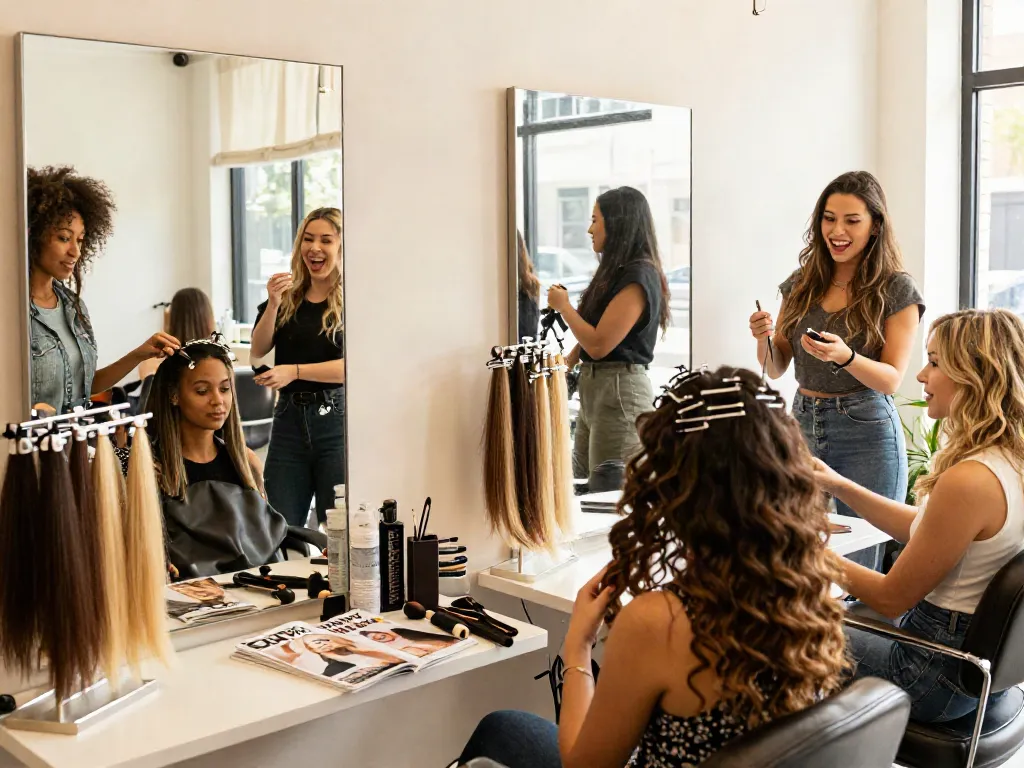
- Clip-In Extensions: These are temporary extensions that can be easily attached and removed, making them perfect for those who want versatility.
- Tape-In Extensions: These extensions are applied using double-sided tape and can last several weeks, offering a more semi-permanent option.
- Weft Extensions: Sewn into braids or your natural hair, wefts can come in various styles and lengths and are suitable for those seeking long-term solutions.
- I-Tip and Micro-Link Extensions: These methods use small beads or keratin tips to attach extensions without the need for glue or tape.
Benefits of Using Hair Extensions
Hair extensions not only provide instant length and volume but also allow for creative styling without damaging your natural hair. They can enhance your overall appearance, boost your confidence, and enable you to experiment with different looks effortlessly. Additionally, extensions offer a protective style for your natural hair, providing an opportunity to give it a break from heat and chemical treatments.
Choosing the Right Hair Extensions
Factors to Consider When Selecting Extensions
Choosing the right hair extensions involves several critical factors:
- Hair Type: Consider whether you prefer human hair or synthetic options based on your desired look and budget.
- Color Match: Ensure the extensions blend seamlessly with your natural hair color to avoid stark contrasts.
- Texture Compatibility: Match the texture of the extensions with your natural hair—straight, wavy, or curly—for a more cohesive appearance.
- Application Method: Depending on your lifestyle and how often you want to change your look, choose a method that works best for you.
How to Match Hair Extensions to Your Natural Hair
When matching hair extensions to your natural hair, consider these important tips:
- Consult with Professionals: If you're unsure, a hairstylist can help you find the perfect match.
- Color Samples: Always compare color swatches in natural light to ensure the best match possible.
- Texture Testing: If possible, touch samples to see how well they blend with your hair's texture.
Common Mistakes in Choosing Hair Extensions
Many people make common mistakes when selecting hair extensions:
- Ignoring Quality: It's essential to invest in high-quality extensions that will last and look natural.
- Underestimating Maintenance: Extensions require upkeep; neglecting this can lead to damage.
- Purchasing Without Research: Always research brands and read reviews to ensure you're buying from reputable sources.
Application Methods: How to Install Hair Extensions
Step-by-Step Guide to Clip-In Extensions
Clip-in extensions are one of the easiest forms of hair extensions to apply. Here’s a simple guide to help you install them:
- Prepare Your Hair: Start with clean, dry, and styled hair for the best results.
- Section Your Hair: Use hair clips to section off the top layer of your hair.
- Attach Extensions: Open the clips on the extensions and secure them to your natural hair, working your way from the bottom to the top.
- Blend and Style: Once all extensions are in place, blend them with your natural hair and style as desired.
Pros and Cons of Tape-In Extensions
Tape-in extensions are popular for their natural-looking results, but they come with their own set of advantages and disadvantages:
- Pros:
- Cons:
Professional vs. DIY Installation Techniques
While professional installation ensures the best results, many choose DIY methods for various forms of extensions. Consider the following:
- Professional Installation: Often results in a more polished, long-lasting outcome with minimal damage.
- DIY Installation: Saves money but requires careful attention to detail and knowledge about the technique.
Caring for Your Hair Extensions
Daily Maintenance Tips for Longevity
Maintaining hair extensions is crucial for their longevity. Here are some daily tips:
- Brush your extensions regularly with a soft brush to avoid tangles.
- Avoid using heavy products that can weigh down the extensions.
- Wash them gently with sulfate-free shampoo and conditioner.
Recommended Products for Hair Extension Care
Investing in the right products can extend the life of your extensions significantly. Consider the following:
- Sulfate-Free Shampoo: Protects the hair's moisture and does not strip natural oils.
- Leave-In Conditioner: Helps maintain softness and manageability.
- Heat Protectant: Essential if you plan to style your extensions with heat tools.
How to Remove Extensions Safely
Removing hair extensions requires care to avoid damage to your natural hair:
- Clip-In Extensions: Simply unclip them gently.
- Tape-In Extensions: Use an adhesive remover to carefully dissolve the tape before removing them.
- Weft Extensions: A professional stylist may be needed to safely remove sewn-in extensions.
Trends in Hair Extensions for 2026
New Hair Extension Technologies to Watch
The hair extension industry is continually evolving. Here are some innovations to watch for in 2026:
- Non-Damaging Attachments: New methods that minimize damage to the natural hair will become more prevalent.
- Lightweight Materials: Advances in materials will lead to lighter, more comfortable extensions.
- Smart Extensions: Technology that allows for color-changing or heat-reactive options may emerge.
Color and Style Trends Emerging This Year
In 2026, expect to see a rise in natural tones and balayage effects in extensions. Popular styles will include:
- Ombre and Balayage: Featuring stunning gradients that blend seamlessly with natural hair.
- Colorful Highlights: Bright and bold shades will continue to make a statement.
The Future of Sustainable Hair Extensions
Sustainability is becoming a priority in the beauty industry, including hair extensions. Expect more brands to offer ethically sourced hair and eco-friendly materials in their products.
How long do hair extensions usually last?
The lifespan of hair extensions depends on their type and how well they are maintained. Generally, proper care can extend the life of extensions from a few months to over a year.
Are extensions damaging to hair?
If applied and cared for correctly, hair extensions should not damage your natural hair. However, poor installation or neglect can cause hair breakage.
What type of hair extension is the best?
The best type of hair extension varies based on personal preference. Clip-ins are great for temporary use, while tape-ins provide a more permanent solution.
What is the average cost to have extensions put in your hair?
The cost of hair extensions can vary widely based on the type, length, and salon experience, typically ranging from $100 to $3000 for professional installations.
How can I style hair extensions effectively?
To style hair extensions effectively, employ tools designed for heat protection, utilize the right products to maintain manageability, and ensure blending with your natural hair for a seamless look.