
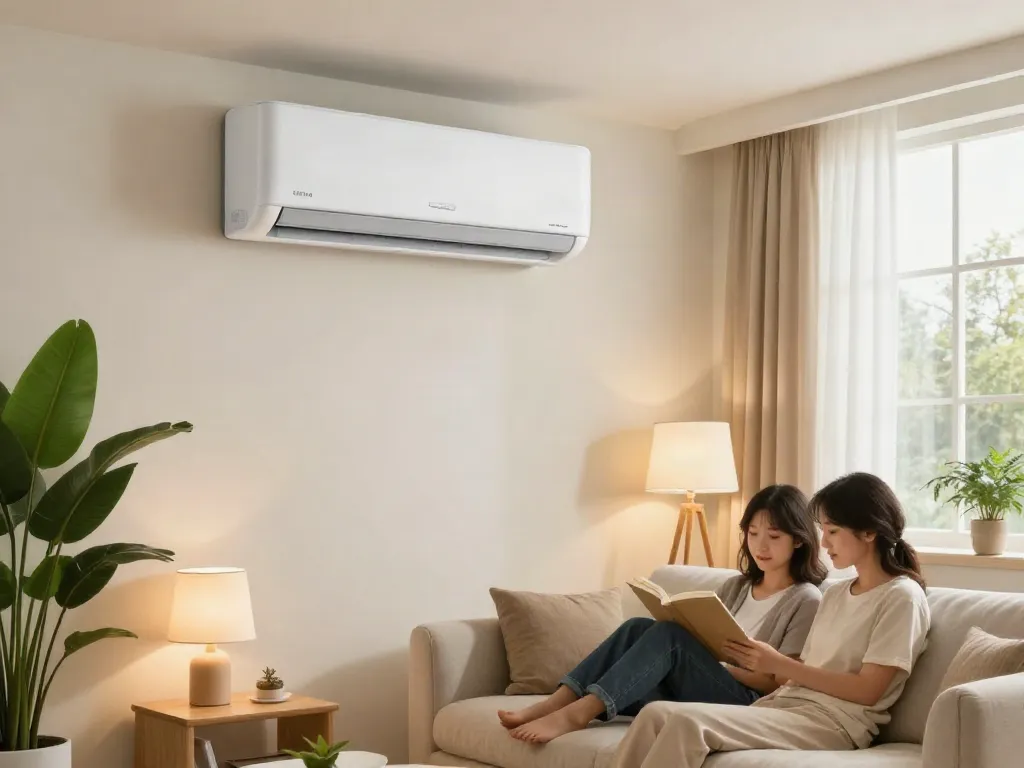
Understanding Mini Split AC Systems
Mini split air conditioning systems have gained significant popularity among homeowners and businesses alike due to their versatility, energy efficiency, and ability to provide precise climate control. As the summer months approach, many are searching for effective cooling solutions that don’t compromise on space or aesthetics. When exploring options, mini split ac systems offer comprehensive insights into advanced air conditioning technology. This article delves into the fundamentals of mini split AC systems, highlighting their benefits, installation considerations, and comparisons with alternative cooling solutions.
What is a Mini Split AC?
A mini split AC, also known as a ductless mini-split system, is a type of air conditioning that can effectively cool and heat individual rooms or zones without the need for ductwork. Unlike traditional central air conditioning systems that rely on extensive duct networks, mini splits consist of an outdoor compressor and one or more indoor air-handling units that are connected by refrigerant lines. This ductless design allows for more flexible installation options and often results in lower energy losses, making them an efficient choice for both residential and commercial settings.
How Mini Splits Work for Efficient Cooling
Mini split systems operate using a heat pump mechanism that extracts heat from the indoor air and expels it outside, thereby cooling the indoor environment. The compressor, located outside, circulates refrigerant through the system, changing its state from liquid to gas and back again, allowing it to absorb and release heat efficiently. The indoor units can be mounted on walls or ceilings, making them a compact and unobtrusive cooling solution. Many mini splits come equipped with inverter technology, which enables the system to adjust its speed and cooling output based on current temperature needs, further enhancing energy savings and comfort.
Key Benefits of Choosing a Mini Split AC
- Energy Efficiency: Mini split systems typically utilize less energy compared to traditional HVAC systems since they do not rely on ductwork, which can lose energy through leaks and poor insulation.
- Flexible Installation: The absence of ducts allows mini splits to be installed in various spaces without the need for extensive renovations, making them ideal for older homes.
- Individual Zoning: Each indoor unit can be controlled independently, allowing users to set different temperatures in different rooms according to personal preferences, which is essential for maximizing comfort.
- Improved Indoor Air Quality: Mini split systems often include advanced air filtration, helping to reduce allergens and pollutants within the home.
Top Alternatives to Mini Split ACs
While mini split ACs are a popular choice for cooling, there are alternatives available that may better suit specific needs or budgets. Understanding the pros and cons of these alternatives helps in making an informed decision for your cooling solutions.
Comparing Mini Split AC with Central Air Conditioning
Central air conditioning systems are designed to cool an entire home using a system of ducts that distribute conditioned air. In contrast, mini splits offer a ductless solution that allows for targeted cooling in specific zones. Here are key differences between the two systems:
- Energy Efficiency: Mini splits often provide better energy efficiency due to lower energy losses compared to ducted systems.
- Installation Costs: Installation of a central AC system can be more expensive and invasive due to ductwork requirements, whereas mini splits require less structural modification.
- Cooling Flexibility: Mini splits allow for individual room control, which can lead to cost savings when cooling only occupied spaces.
Pros and Cons of Portable AC Units
Portable air conditioning units are another alternative that offers flexibility. They are movable and can be used in various locations. However, there are pros and cons to consider:
- Pros:
- Cons:
Smart Window AC Units as Viable Alternatives
Smart window air conditioning units have become popular due to their advanced technology and convenience. These units can be controlled using smartphone apps, allowing users to adjust settings remotely. However, like portable units, they have limitations:
- Advantages:
- Disadvantages:
Installation Considerations for Mini Split ACs
Installing a mini split AC system involves several critical considerations to ensure optimal performance and longevity of the unit. Whether you choose to hire a professional or undertake a DIY approach, careful planning is essential.
How to Choose the Right Size for Your Space
One of the most important factors in selecting a mini split AC is choosing the right size, measured in BTUs (British Thermal Units). An undersized unit may struggle to cool the space effectively, while an oversized unit can lead to quick cycling, increasing energy costs. To determine the appropriate size, factors to consider include:
- The square footage of the room
- Ceiling height
- Insulation quality
- Sun exposure
- Number of occupants
Hiring Professionals vs. DIY Installation
While some homeowners may consider DIY installation to save on labor costs, professional installation is often recommended for mini splits. Professionals can ensure proper refrigerant levels, electrical connections, and drainage systems, which are crucial for system efficiency and warranty validation. A poorly installed system can lead to many issues, including leaks and malfunctioning components.
Common Mistakes to Avoid During Installation
To prevent any issues during installation, it is important to avoid these key mistakes:
- Incorrectly sizing the unit, leading to inefficiency.
- Failing to properly insulate refrigerant lines which can result in energy loss.
- Not following local building codes or regulations.
- Ignoring the drainage requirements that can lead to moisture buildup and mold growth.
Energy Efficiency and Cost Savings
One of the most significant advantages of a mini split AC system is its energy efficiency, which translates to lower energy bills. Understanding how to maximize savings and maintain efficiency is crucial for homeowners.
Evaluating Energy Ratings for Mini Split Systems
When shopping for a mini split system, pay close attention to its Seasonal Energy Efficiency Ratio (SEER) rating. The higher the SEER number, the more efficient the system will be. Look for models with a SEER rating of 16 or higher to ensure optimal efficiency and long-term cost savings.
How to Maximize Savings with Proper Maintenance
Regular maintenance is essential for keeping your mini split system running efficiently. Here are a few tips to maximize savings:
- Clean or replace air filters every month during peak usage.
- Schedule annual professional maintenance to check for refrigerant leaks and clean coils.
- Adjust your thermostat settings to optimize performance during less occupied hours.
Calculating the Long-Term Costs of Mini Split ACs
While the initial investment for a mini split system may be higher than traditional units, the long-term savings on energy bills often justify the cost. Consider factors such as average usage time, local utility rates, and potential repair costs when calculating the total cost of ownership.
Future Trends in Air Conditioning Systems
As climate change continues to impact weather patterns, the air conditioning industry is evolving to meet new challenges and demands. Emerging technologies and trends are shaping the future of mini split AC systems.
Emerging Technologies in Mini Split Systems
Innovations such as smart thermostats, improved inverter technology, and advanced air purification systems are becoming more prevalent. These advancements not only enhance user convenience but also promote greater energy efficiency and indoor air quality.
Impact of Climate Change on AC Efficiency Needs
Rising global temperatures are driving the need for more efficient cooling solutions. This trend is pushing manufacturers to develop systems that can operate effectively in higher temperatures while maintaining efficiency.
Innovations in Smart Home Integration for Cooling Solutions
As smart homes become increasingly common, the integration of mini split systems with smart home technologies is set to grow. Features such as remote control access, automated schedules, and even integration with other home systems offer users unprecedented control over their indoor climate.
Conclusion
In conclusion, mini split AC systems represent a modern solution for efficient and flexible cooling in residential and commercial spaces. With various options available and an ever-evolving landscape of HVAC technology, understanding these systems, their alternatives, and long-term considerations is essential for making informed decisions. Embrace the future of air conditioning by exploring the benefits and innovations that mini split systems provide.